February 18, 2026
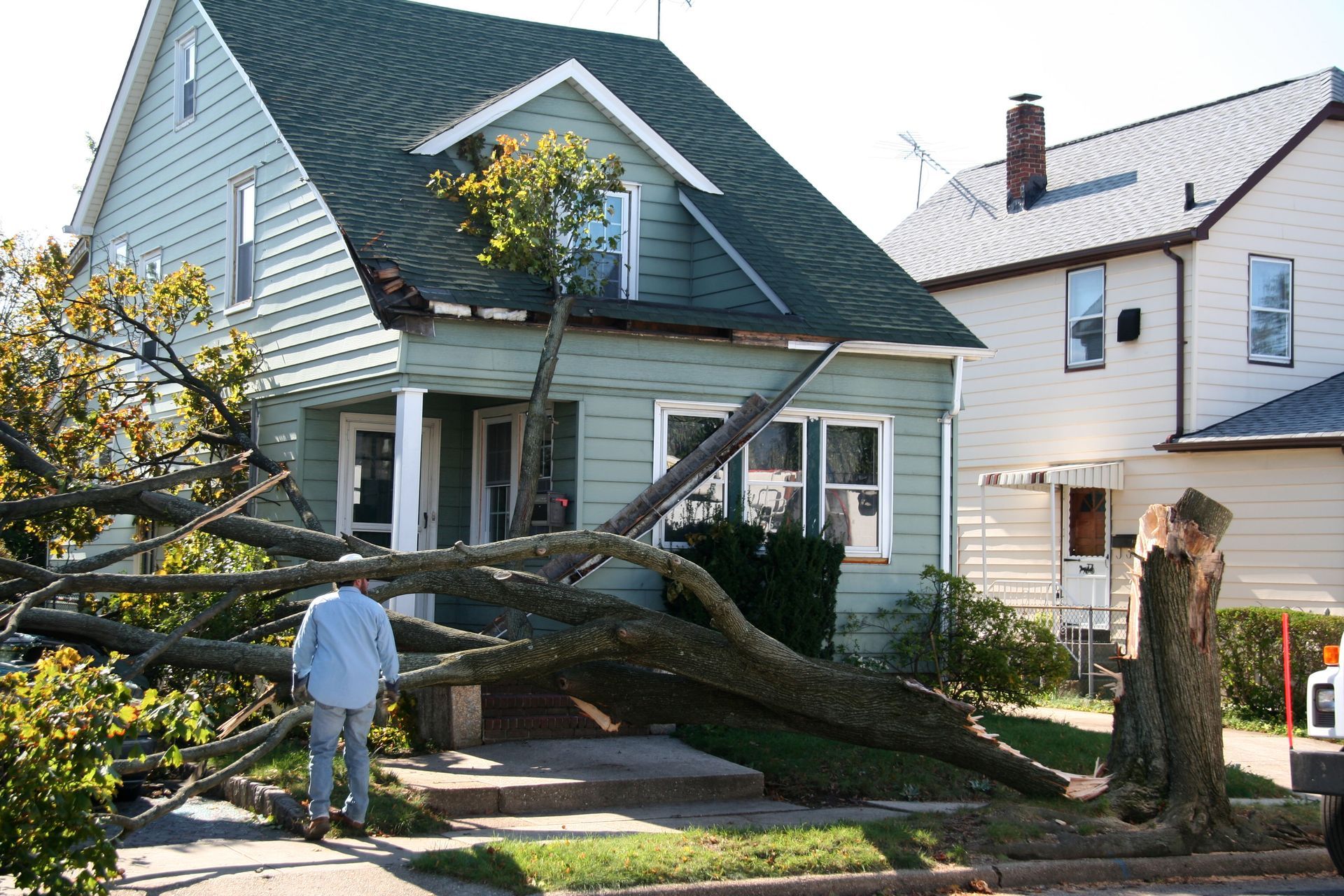
Insurance companies play a vital role in protecting one of the most significant investments a person will ever make: your home. Beyond covering the physical structure of a home, it also safeguards personal property and provides financial support during unexpected events. With risks ranging from natural disasters to liability concerns, having the right coverage offers stability and comfort. Understanding how policies work empowers homeowners to make informed decisions that align with their needs. A well-chosen insurance plan supports both short-term security and long-term financial protection.
1. Understanding the Basics of Home Insurance
Home insurance is a form of property insurance that covers damages and losses to a residence, along with furnishings and other personal assets. Its primary role is to provide financial protection against unexpected events such as natural disasters, theft, or accidents that could otherwise create substantial financial strain. Many mortgage lenders also require homeowners to maintain insurance as part of lending agreements, making coverage both a financial safeguard and a practical necessity. Understanding these fundamentals helps homeowners recognize the value of carrying a comprehensive home insurance policy.
Home insurance companies typically include several types of coverage designed to protect different aspects of a homeowner’s investment. Common components include dwelling coverage for the structure itself, personal property coverage for belongings inside the home, liability coverage for legal claims related to injuries on the property, and loss of use coverage for additional living expenses if the home becomes uninhabitable. Policy limits define the maximum amount an insurer will pay for a covered claim, making it important for homeowners to review limits regularly. Property value changes, inflation, and accumulated possessions can all affect how much coverage is appropriate.
Deductibles and premiums are two additional factors that directly influence the cost and effectiveness of a home insurance policy. A deductible is the out-of-pocket amount paid before coverage applies, with higher deductibles often resulting in lower monthly premiums. Premiums are ongoing payments required to keep coverage active and are influenced by factors such as location, coverage level, deductible choice, and home features. Evaluating deductibles and premiums together helps homeowners balance affordability with meaningful financial protection.
2. Assessing Coverage Needs
Evaluating the current value of a property is a key first step in selecting the right level of home insurance coverage. This process should factor in rebuilding costs, including local labor rates and material prices. Because property values and construction expenses change over time, homeowners should review and update coverage periodically to avoid potential financial gaps.
Protecting personal items is another major component of a well-rounded insurance policy. According to the Insurance Information Institute, approximately 97% of all homeowners' insurance claims pertain to property damage over liability concerns. Creating a detailed inventory of items such as furniture, electronics, and valuables helps determine whether standard coverage is sufficient or if additional protection is needed. High-value possessions like jewelry or artwork often require special endorsements, making awareness of personal assets essential for adequate coverage.
Identifying risks tied to the property, location, and future lifestyle changes helps homeowners customize insurance coverage effectively. Environmental conditions, regional hazards, and neighborhood factors can all influence coverage needs, while life events like renovations or family changes may alter required limits. Regular risk assessments and ongoing communication with insurance companies supports coverage that adapts to both current conditions and long-term plans.
3. Considering Legal and Regulatory Factors
Insurance laws and requirements vary by state, shaping how home insurance policies are structured and enforced. Homeowners must understand local regulations, as states may require specific coverage types or policy formats. Staying informed and consulting with insurance companies familiar with state laws helps homeowners select compliant coverage that meets legal obligations. This awareness also reduces the risk of policy gaps that could create complications during claims.
Federal regulations also influence home insurance by promoting transparency and protecting consumer rights. These laws can affect insurer operations, policy structures, and claims handling practices. Understanding both state and federal rules, along with carefully reviewing policy terms and conditions, allows homeowners to avoid misunderstandings, recognize exclusions, and manage claims more effectively. This knowledge supports smoother communication with insurers and greater confidence throughout the policy lifecycle.
Compliance and dispute resolution are essential aspects of managing home insurance successfully. Failing to follow policy terms or regulations can result in denied claims or legal disputes. Licensed insurance companies provide valuable guidance by interpreting regulations, recommending appropriate coverage, and assisting with claims, helping homeowners maintain protection and confidence in their insurance decisions.
4. Evaluating Risk and Cost
Performing a thorough risk assessment helps homeowners determine the appropriate level of insurance coverage needed to protect their property. This process involves identifying potential hazards, evaluating the home’s structure, and recognizing security vulnerabilities. Professional risk assessors can offer deeper insight into property-specific threats, helping homeowners prioritize mitigation efforts and select coverage that reflects real exposure. A well-executed risk assessment supports informed decisions and stronger overall protection.
Financial factors also play a major role in how home insurance policies are structured, particularly credit scores and coverage selections. Insurance companies often view higher credit scores as indicators of lower risk, which can influence available policy options and pricing flexibility. Homeowners must also balance affordability with adequate protection by carefully evaluating deductibles, policy limits, and coverage types. Thoughtful financial planning supports more effective coverage decisions aligned with long-term needs.
Understanding potential rate increases and exploring cost-saving strategies can help homeowners manage insurance responsibilities over time. Premium changes may stem from local risk shifts, claims history, or broader market conditions, making regular discussions with providers valuable. Homeowners can reduce exposure by installing safety features, bundling policies, and reviewing coverage as property values evolve. Proactive planning and routine policy reviews support reliable protection and long-term financial stability.
5. Deciding on Additional Coverage Options
Standard home insurance policies often exclude flood and earthquake damage, making supplemental coverage important for homeowners in higher-risk regions. Flood insurance is especially relevant in flood-prone areas, where reviewing flood maps and historical data can help guide coverage decisions. Programs such as the National Flood Insurance Program offer structured options for added protection. Earthquake insurance addresses rebuilding and repair costs tied to seismic activity and is particularly valuable in states with known fault lines. Evaluating regional risks helps homeowners align coverage with environmental realities and financial exposure.
Additional policy options can further strengthen overall protection by addressing liability and asset-related risks. Umbrella policies extend liability coverage beyond standard limits, offering added security for homeowners with significant assets or increased legal exposure. These policies can apply to a wide range of scenarios, including lawsuits and complex liability claims. By layering umbrella coverage onto existing policies, homeowners create a more comprehensive insurance structure that supports long-term risk management.
Specialized coverage may also be necessary for modern lifestyle considerations, such as home-based businesses and digital security threats. Home businesses often require tailored policies to cover equipment, inventory, liability, and income disruption. Identity theft protection has also become increasingly relevant, offering monitoring services and recovery assistance in the event of data breaches. Incorporating these options allows homeowners to address evolving risks while maintaining a well-rounded and adaptable insurance strategy.
Investing with home insurance companies requires careful consideration of several critical factors. By understanding your needs and thoroughly researching options, you can secure a policy that provides peace of mind, knowing your home and belongings are protected against unforeseen circumstances. Contact Wagner-Casper Insurance Agency today to explore customized coverage options that help protect your home, assets, and financial future with confidence.